Affiliate links Product links go to Crawfords Metal Detectors and earn Paul a commission at no extra cost to you.
Have you ever wondered what is lying just a few inches beneath your boots? From centuries-old hammered silver and Roman bronze coins to everyday buttons and buckles that tell a story, metal detecting gives you a direct, hands-on connection to Britain’s past.
Whether you have been thinking about trying the hobby for months, looking for an excuse to get out into the fresh air, or dropping hints for your first detector this Christmas, getting started is far simpler—and more affordable—than most people realise. Having spent years testing machines in the field as an official Minelab Detexpert, I always tell newcomers the same thing: you do not need to buy the most expensive flagship detector on day one, nor do you need years of experience to make great finds. Here is everything you need to know to get off on the right foot.
More Than Just Chasing Old Coins
Britain holds thousands of years of layered history—from Iron Age and Roman settlements to Saxon, medieval, and Victorian communities. People have been dropping coins, tools, and personal items across our fields and beaches for millennia, and plenty of it is still waiting to be found. Of course, not every beep under your coil will be a museum piece. You will dig plenty of rusty nails, ring pulls, and scrap lead along the way. Every seasoned detectorist does—it is simply part of clearing the ground to unmask the good targets hiding beneath.
Beyond the finds pouch, detecting gets you walking miles outdoors, exploring new countryside, and researching the local history right on your doorstep.
Choosing Your First Metal Detector
Modern entry-level machines have come a long way. You no longer have to put up with heavy boxes or guesswork dials, today’s starter detectors offer waterproof builds, built-in rechargeable batteries, clear digital Target IDs, and Multi IQ or simultaneous multi-frequency technology.
The key is picking a machine that suits your budget and where you plan to search (pasture, ploughed fields, or wet beach sand) without overwhelming you with menus. Here are two standout Minelab options I regularly recommend to newcomers:
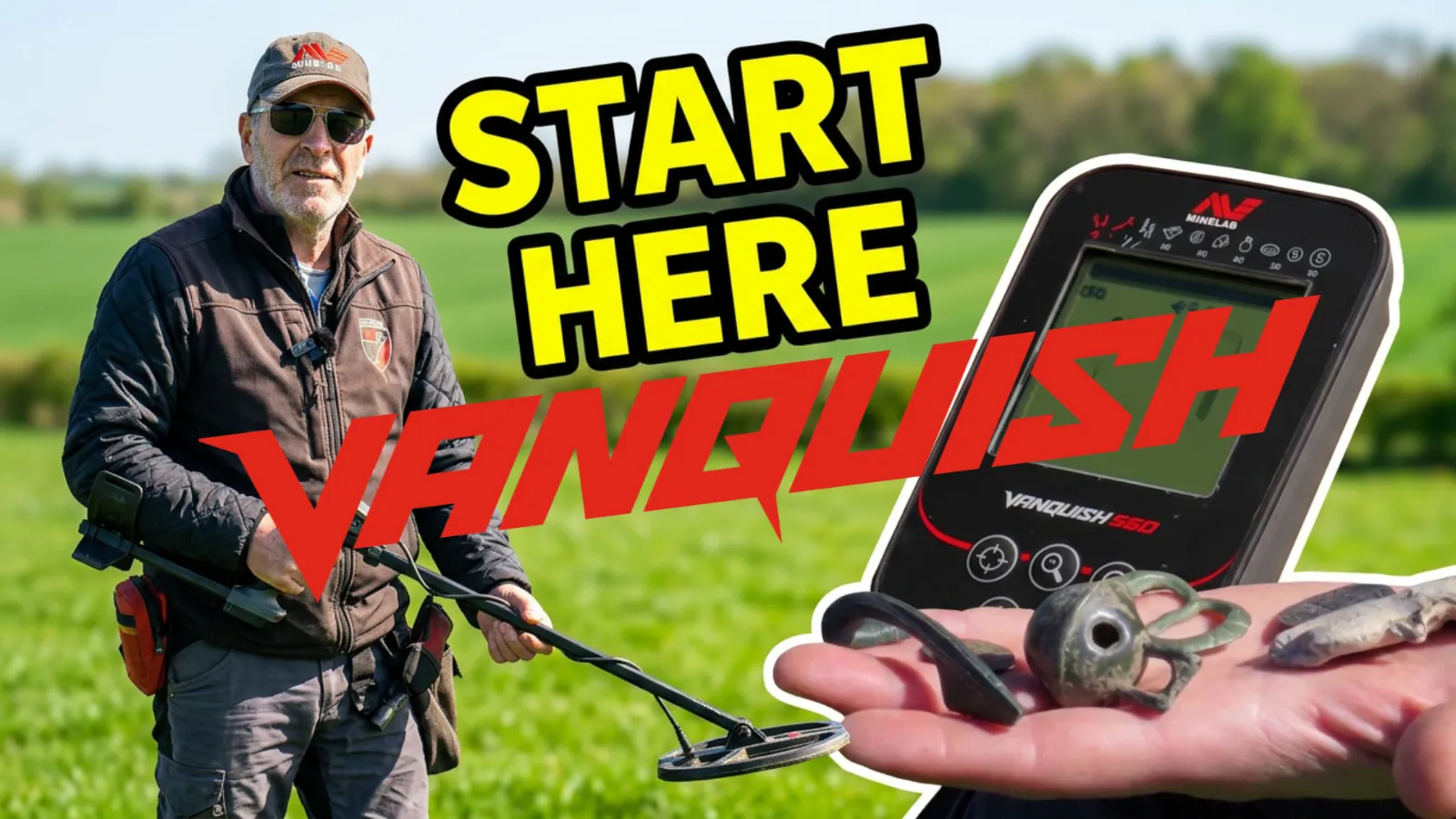
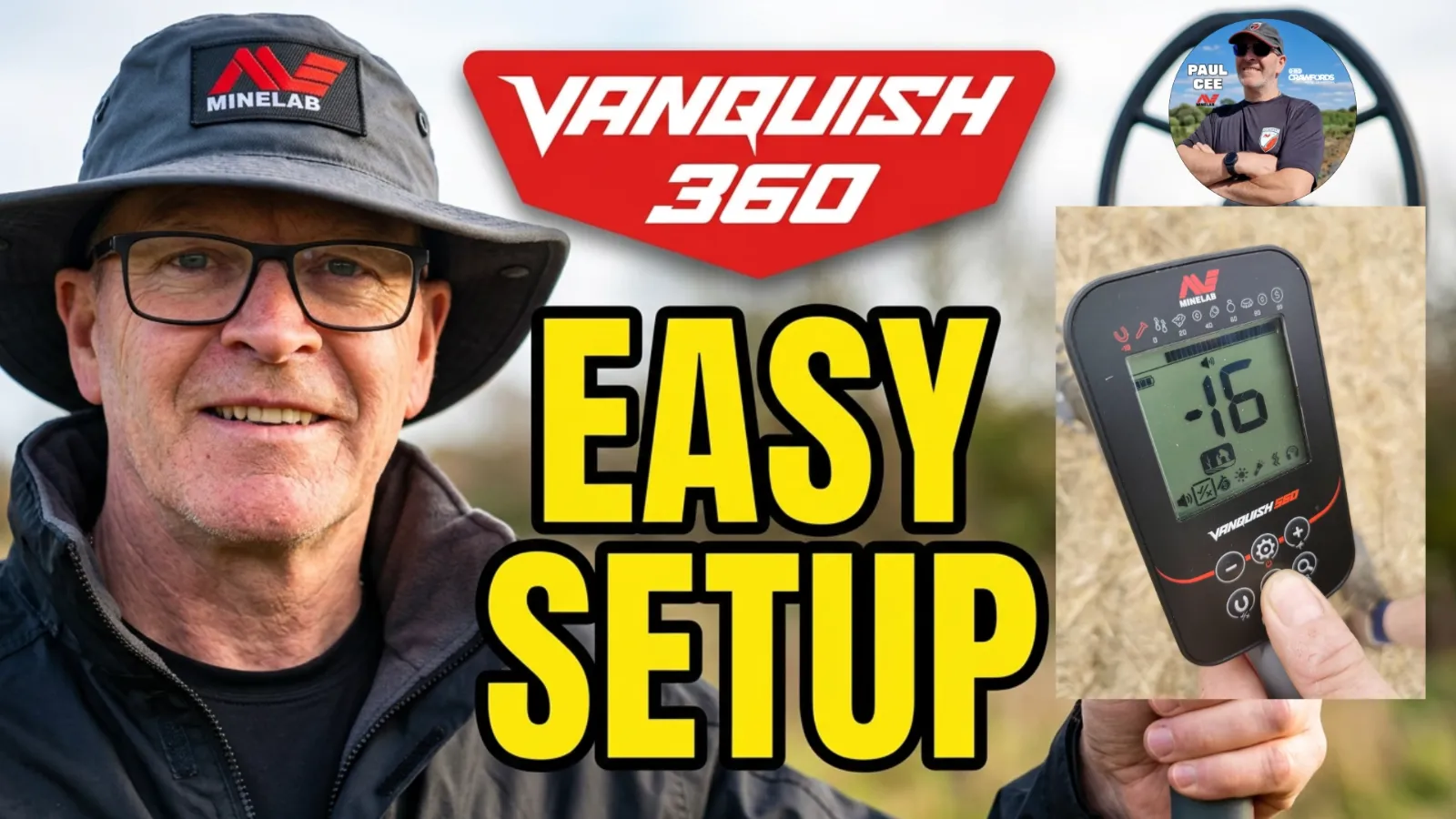
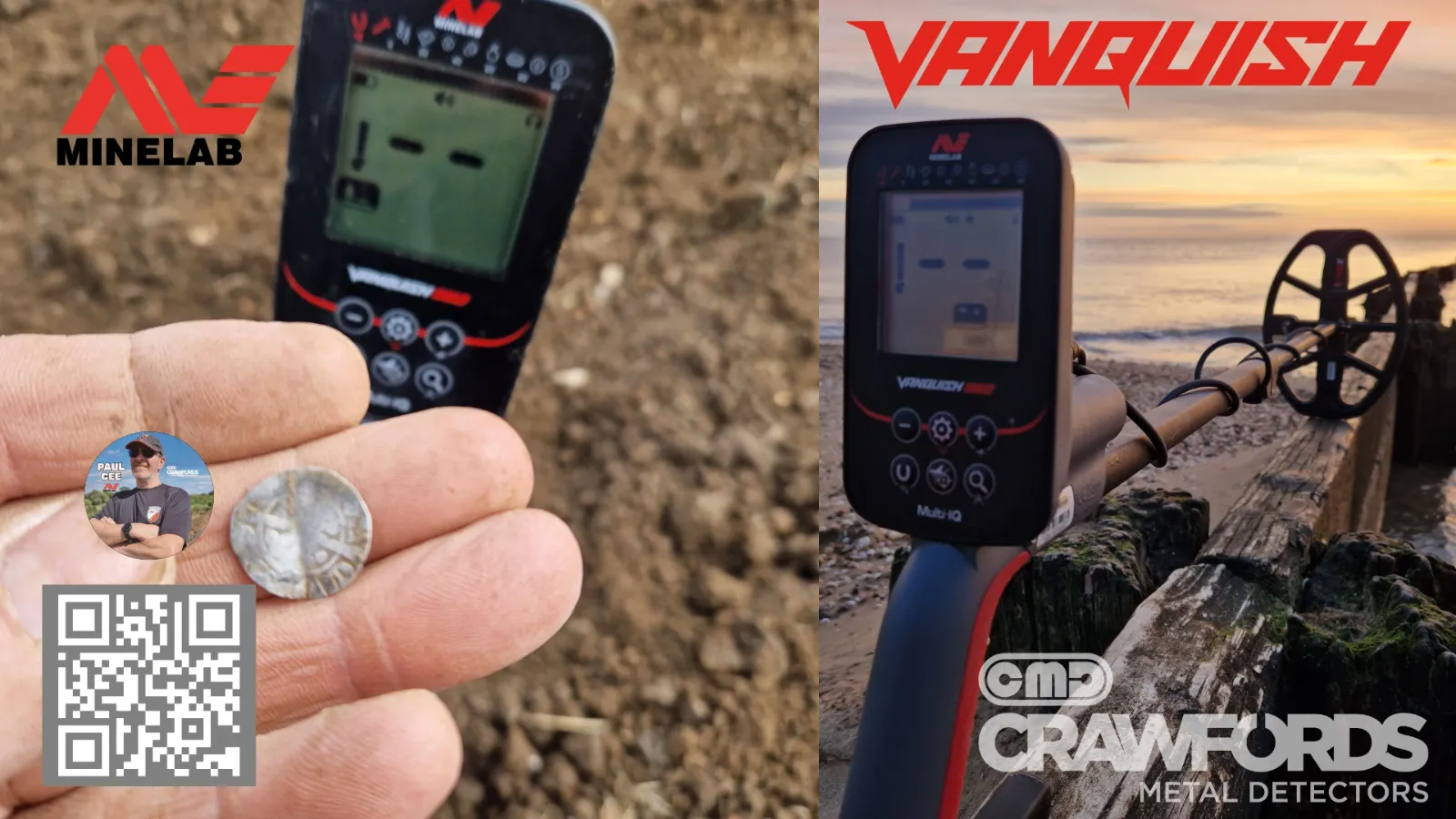
Minelab Vanquish 360 – Simple Controls, Multi-IQ Power If you want a detector you can switch on and swing with confidence from minute one, the Minelab Vanquish 360 is hard to beat. Its biggest advantage is Minelab’s Multi-IQ technology, which runs multiple frequencies simultaneously rather than relying on a single frequency. In plain and simple terms, that means it will find Tiny low-conductive targets and deeper finds across both farmland, Pasture and the beach—without you needing to fiddle with frequency settings, which are all done automatically in the search profiles.
Key features: Park, Beach, and All Metal modes, built-in Pinpoint mode, Target ID scale from -19 to 99, built in rechargeable battery, and IP68 waterproofing to 5 metres.
Buy at Crawfords MD
Vanquish 60 series
Check price & stock- Compare at Crawfords
- Vanquish 460
- Vanquish 560
- Vanquish 560 Pro-Pack
Minelab X-Terra Elite
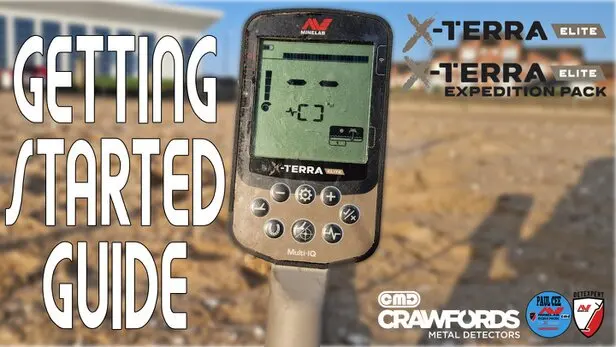
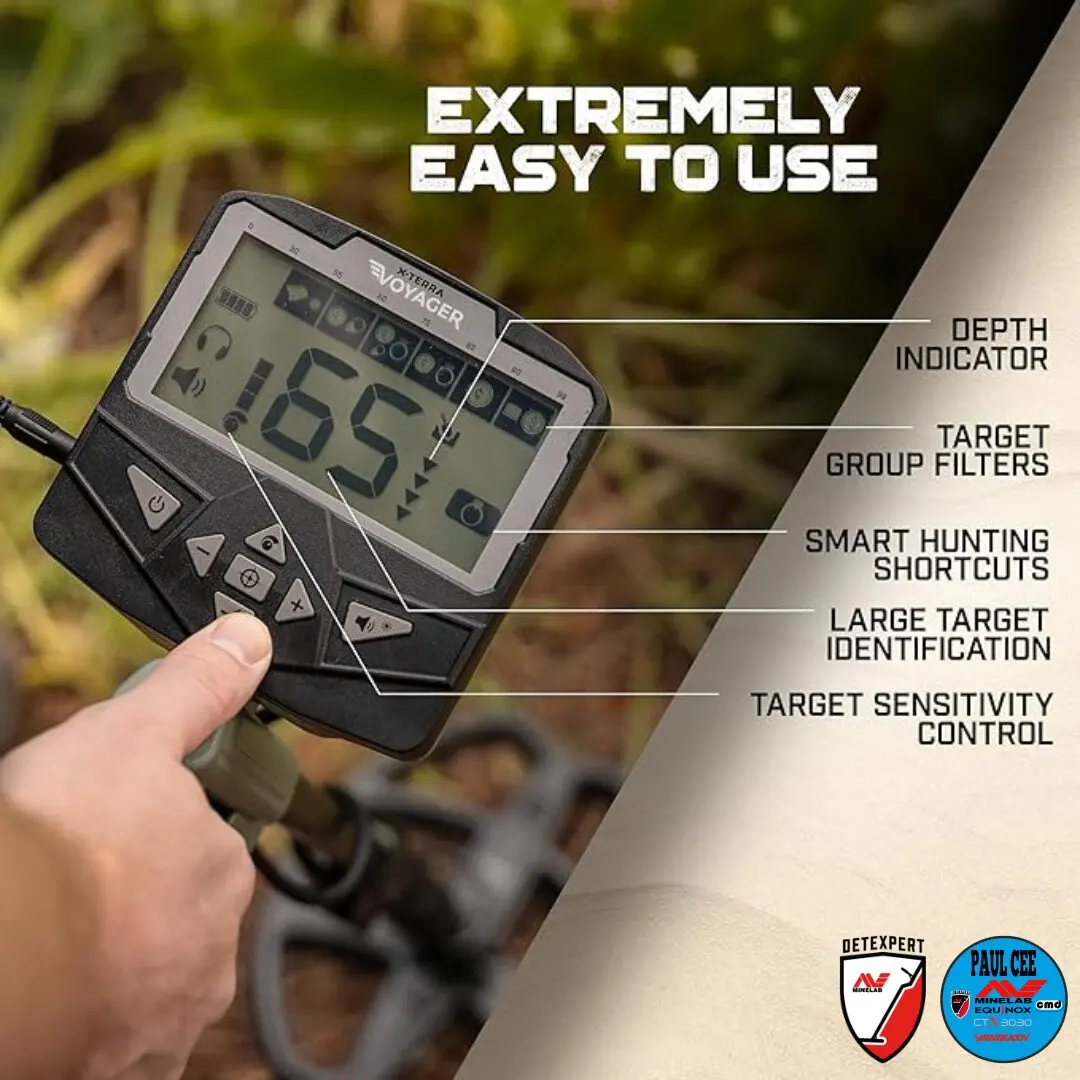
Room to Grow If your budget stretches a little further and you want extra control as your confidence builds, the Minelab X-Terra Elite steps things up while staying intuitive. Powered by Multi-IQ, it adds finer sensitivity adjustments, Iron Bias controls (which help tell the difference between a rusty nail and a good coin sitting beside it), and multiple audio tone options.
Buy at Crawfords MD
Minelab X-Terra Elite
Check price & stock- Compare at Crawfords
- X-Terra Elite vs Nokta Triple Score
Pauls Tip: Spending more money does not automatically guarantee better finds. A detectorist who truly understands a simpler machine will always out-perform someone waving a complex detector they haven't learned to use properly.
Essential Accessories
Four simple pieces of kit will save you time, frustration, and lost finds on your first outing:
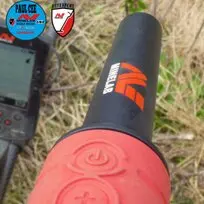
A Handheld Pinpointer: Once you have dug a plug of soil, a pinpointer (like the Minelab Pro-Find) narrows the target down to the exact inch in seconds. It prevents you from accidentally scratching a delicate coin with your spade and hugely speeds up recovery.
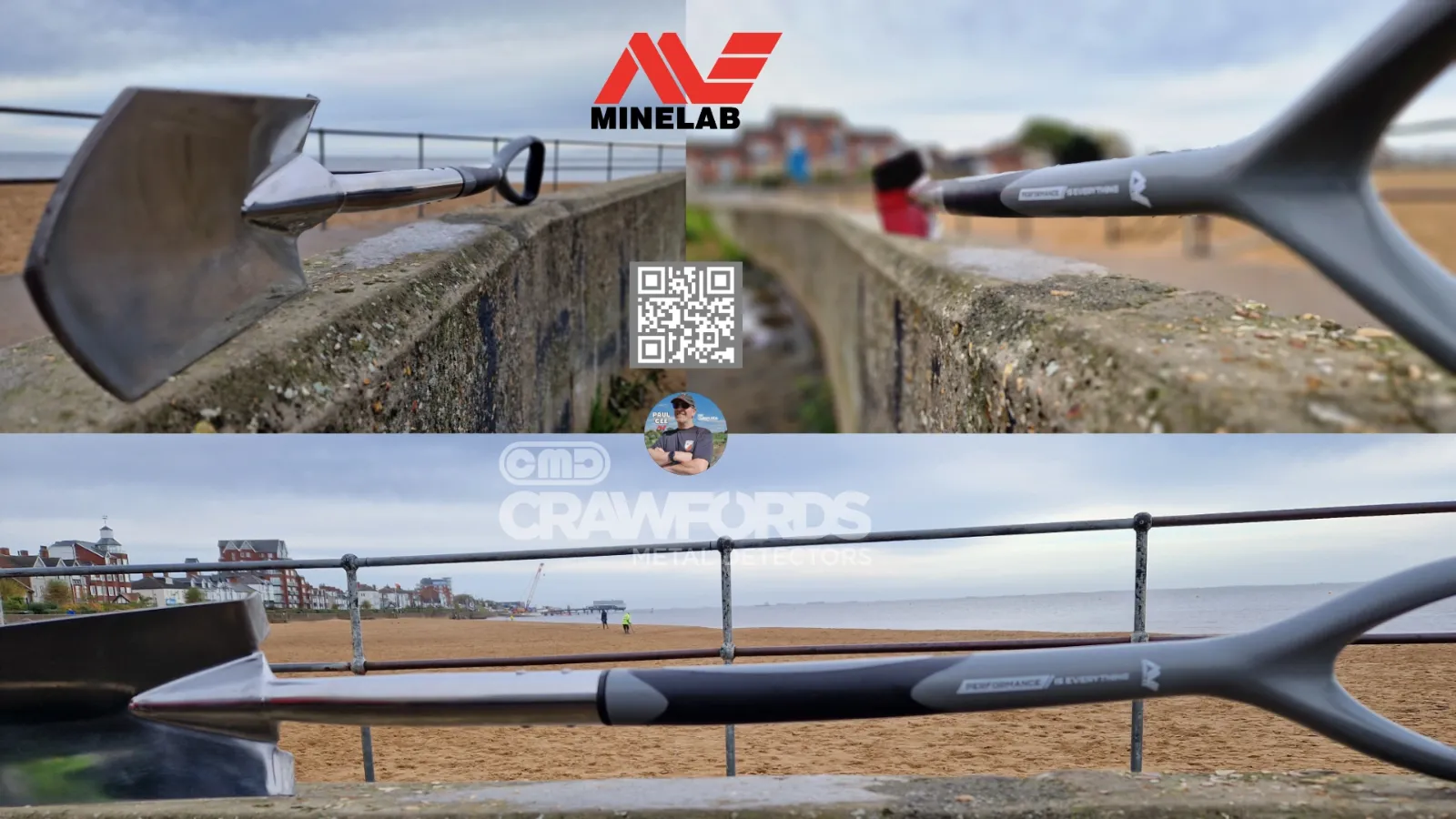
A Proper Digging Tool: Leave the garden trowel in the shed, it will bend on the first tough hole or Stoney patch. Invest in a sturdy stainless steel Detecting spade for fields or a serrated Hand digger for pasture so you can cut clean, neat plugs that leave the ground looking untouched.
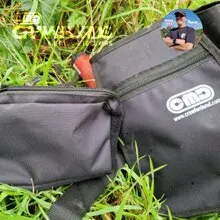
A Finds Pouch: A two-compartment waist pouch lets you separate your good finds from the scrap iron and foil you clear out of the field, keeping both hands free for swinging and digging.
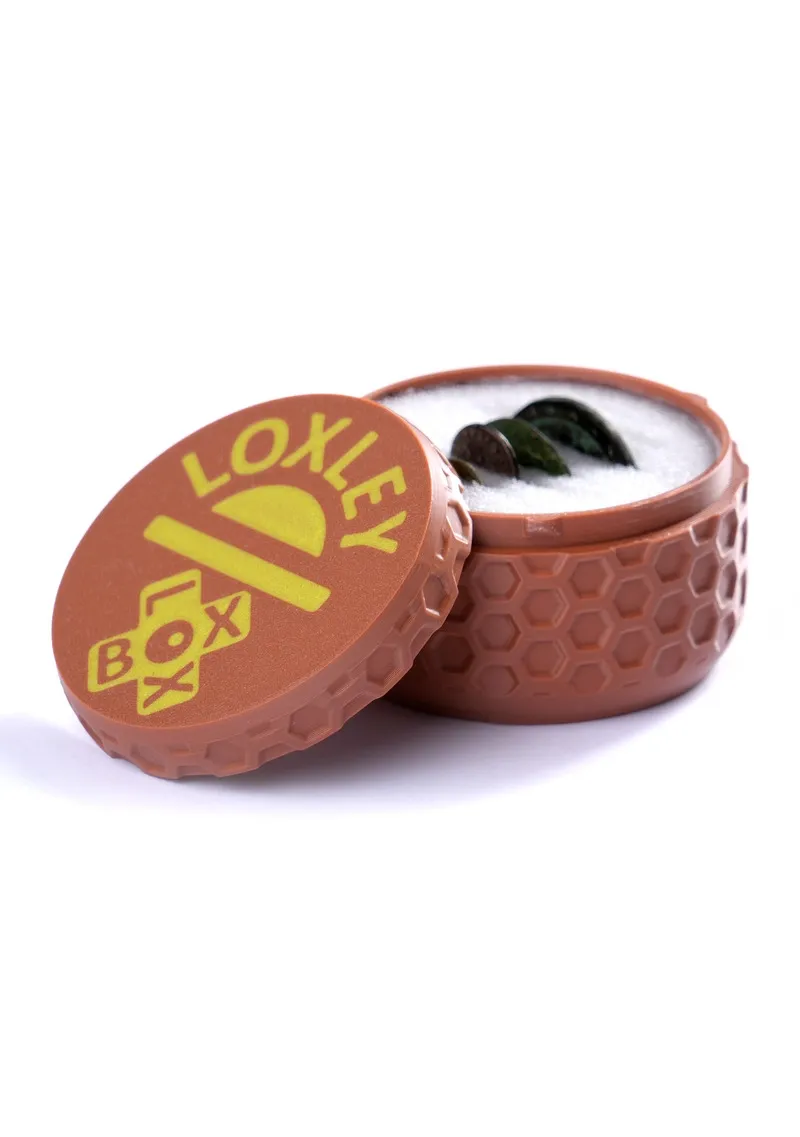
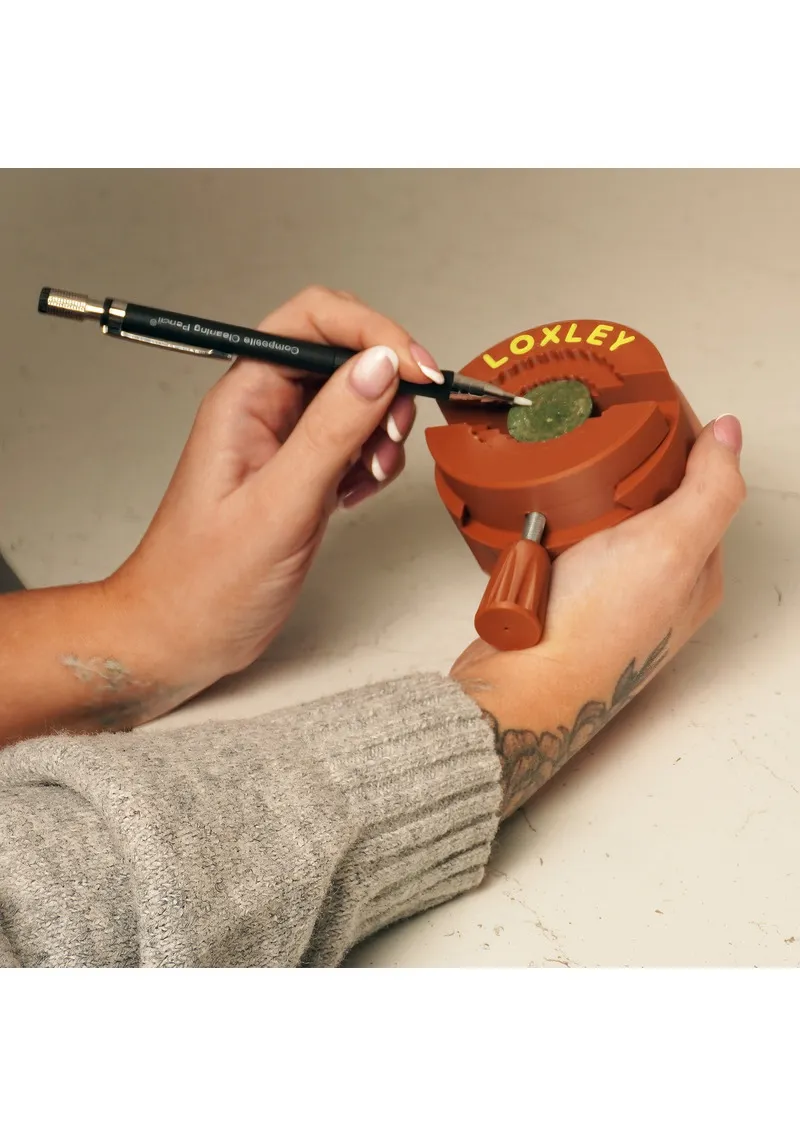
Finds Cleaning Tools: You know when you have your first coin or relic find you are going to want to clean it and show it off to everyone you meet. A good finds cleaning kit will get you the best results.
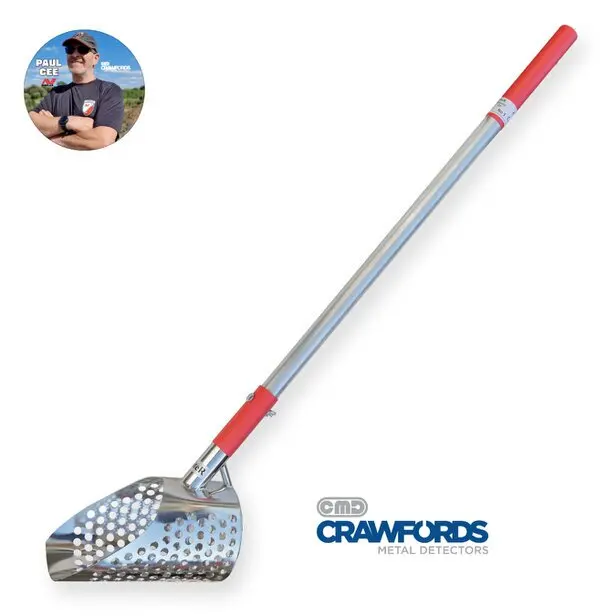
A Sand Scoop if you are detecting on the beach A Sand Scoop.
Where Can You Actually Go Detecting in the UK?
Before heading out, make sure you know where you stand legally—you cannot simply walk onto public parks, common land, or historic sites and start digging.
- Private Farmland & Pasture: You must always obtain Explicit permission from the landowner first (ideally in writing). Always check that the land is not a Scheduled Monument or Site of Special Scientific Interest (SSSI).
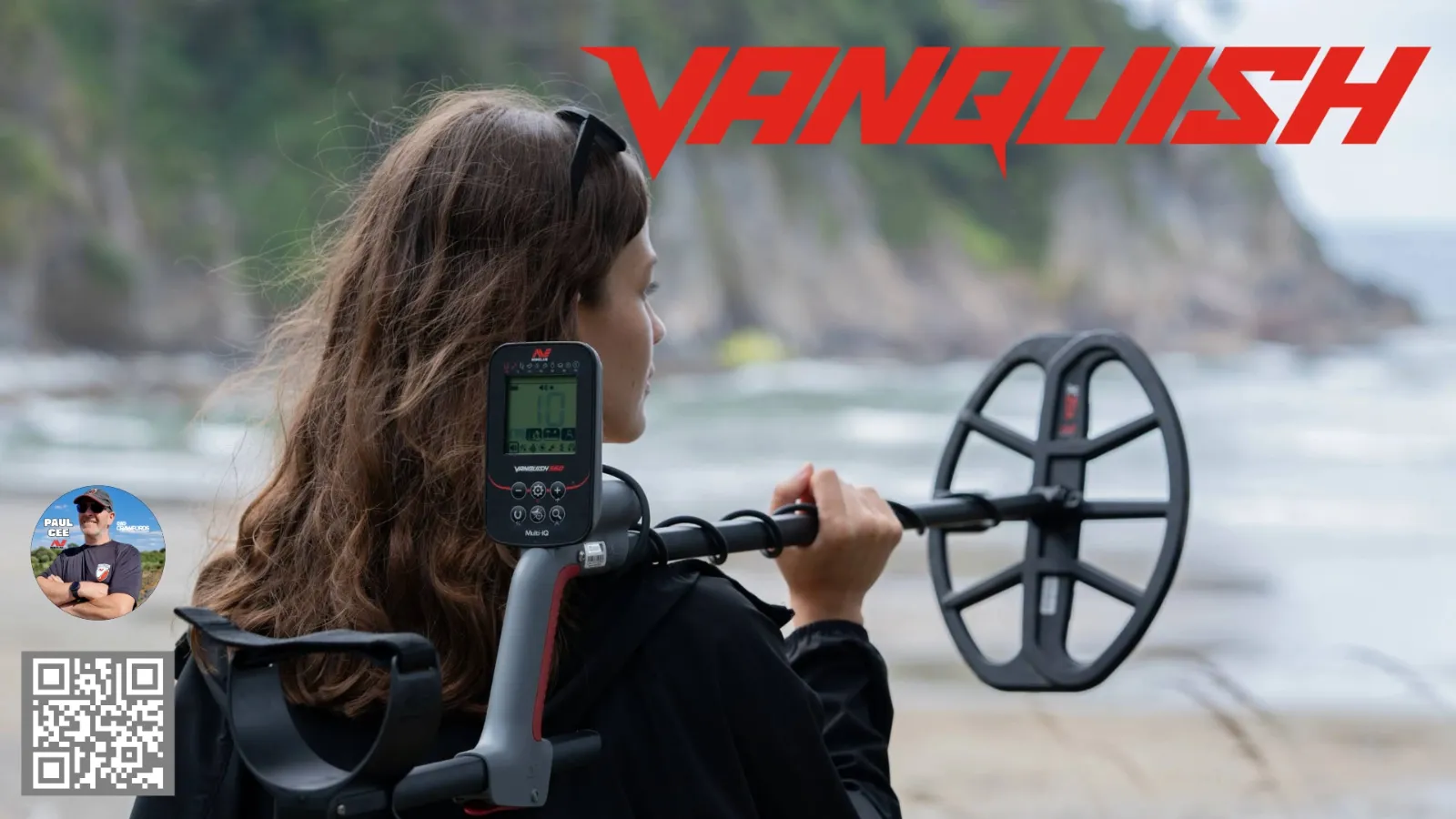
- Beaches: Many UK beaches allow metal detecting, particularly on the foreshore owned by the Crown Estate, though local council bylaws and environmental protections vary—always check local beach rules before swinging.
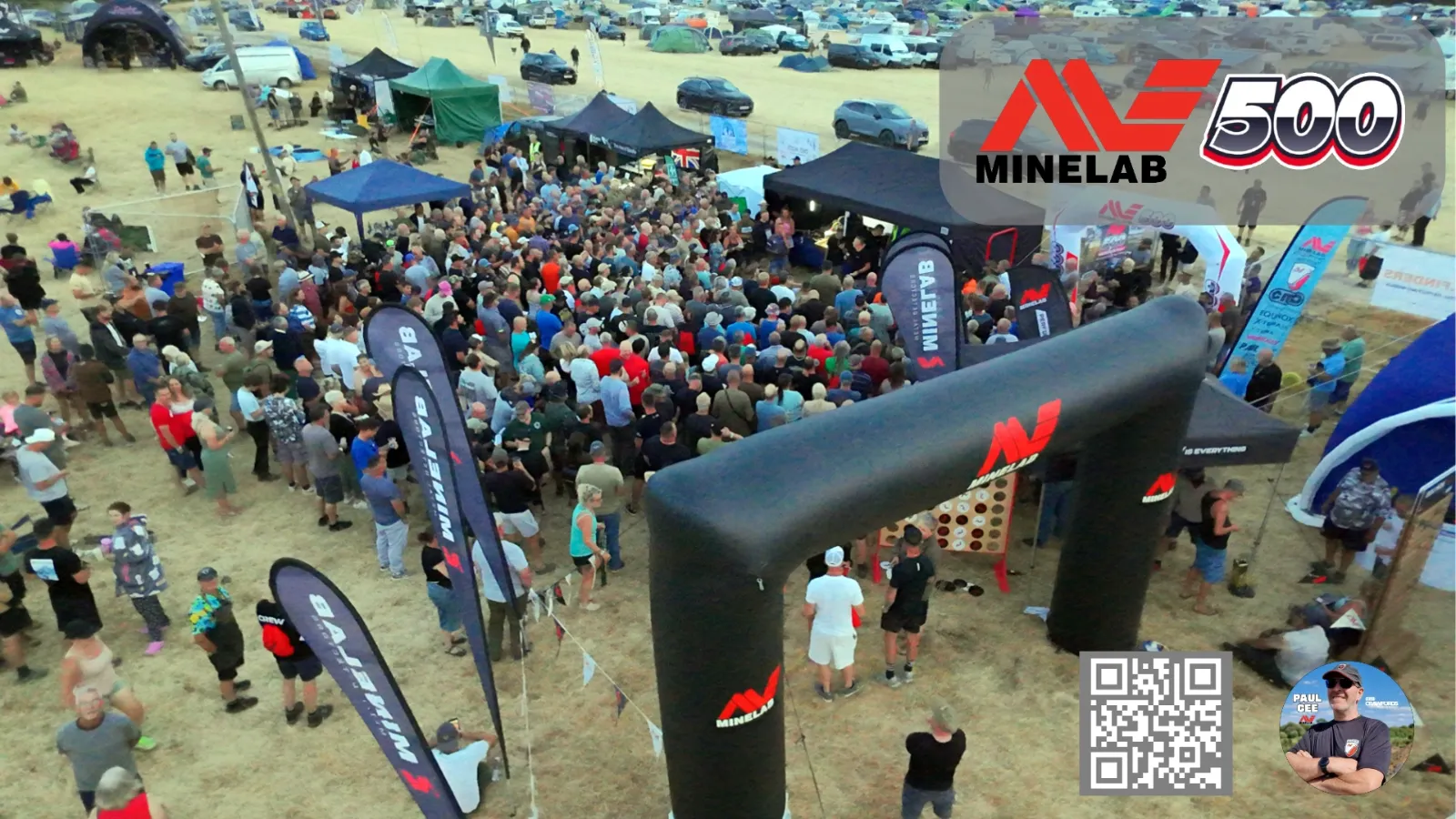
- Local Clubs & Organised Rallies: If you don't have farm connections yet, joining a reputable local detecting club or attending an organised weekend dig is the easiest way to get straight onto legal land, meet fellow detectorists, and pick up tips in person.
- We have a big database of rally's and weekend metal detecting events listed.
What Can You Realistically Expect to Find?
Social Media highlight posts make it look like every field is carpeted in hammered Coins and Gold, but real world detecting is a game of patience. On an average detecting day, you might come home with a Few crusty Georgian or Victorian copper coins, a button or a (few hundred), a musket ball, a bit of buckle fragment, and a pouch full of scrap.
Yet pulling your first 500 year old coin or complete decorated button out of the ground gives a sense of satisfaction that never gets old. Always record where you find historical items, and remember that under the Treasure Act 1996 in England, Wales, and Northern Ireland, any find that potentially qualifies as Treasure must be reported to your local Finds Liaison Officer (FLO) within 14 days of finding out it was a treasure find.
Don't Over-Complicate Your First Outings
The biggest mistake beginners make is constantly tweaking settings every ten minutes before they have learned what their machine is telling them.
Keep your first few sessions simple:
- Pick one factory mode (Park, Field or Beach). These are always the best until you are familiar with your detector settings and what they do.
- Set your sensitivity to a stable, quiet level where the machine isn't chattering falsely.
- Spend time listening to how different metals sound, and sweep low and slow with overlapping passes.
- Test a few coins, a gold ring, and some coins of various types next to a rusty nail on top of the grass at home so your ears learn the difference between a crisp, repeatable tone and an erratic/broken and iron tone.
Frequently Asked Questions (FAQ)
How much should a beginner spend on a first metal detector?
You can get started comfortably between £200 and £450 with a modern, waterproof multi-frequency detector like the Minelab Vanquish 360 or X-Terra Elite, leaving room in your budget for a pinpointer, sturdy digging spade, and finds pouch.
Do I need a licence to go metal detecting in the UK?
No, you do not need a government licence to own or use a metal detector in the UK. However, you MUST have the landowner's permission before detecting on any private land, and you must strictly avoid Scheduled Monuments and protected archaeological sites. Some Beaches however metal detecting is not permitted without a permit or prior approval. Check out the Crown Permits. It is also a good idea to have Public Liability Insurance in place, usually the NCMD or AMDS
What is the best metal detector for both fields and beaches?
A simultaneous multi-frequency detector such as the Minelab Vanquish 360 is ideal for beginners who want to search both fields and wet beach sand, as Multi-IQ handles conductive saltwater minerals far better than traditional single-frequency starter machines.
 Minelab Vanquish Settings and search Profiles Explained
Is a pinpointer really necessary for beginners?
While you can detect without one, a handheld pinpointer is easily the best accessory a newcomer can buy. It locates small coins in muddy clods within seconds, cuts down digging time, and reduces the risk of damaging fragile finds with your spade.
Ready to see how these detectors perform out on real UK permissions? Check out my field tests, coil comparisons, and beginner walkthroughs over on the Paul Cee Detecting YouTube Channel.
Gear mentioned in this article (Crawfords MD)

About the author
Minelab Detexpert, field tester and Crawfords Metal Detectors ambassador. Paul posts a new detecting video most weeks and prefers the beach. The finds are younger, but old coins tend to come out in better condition.